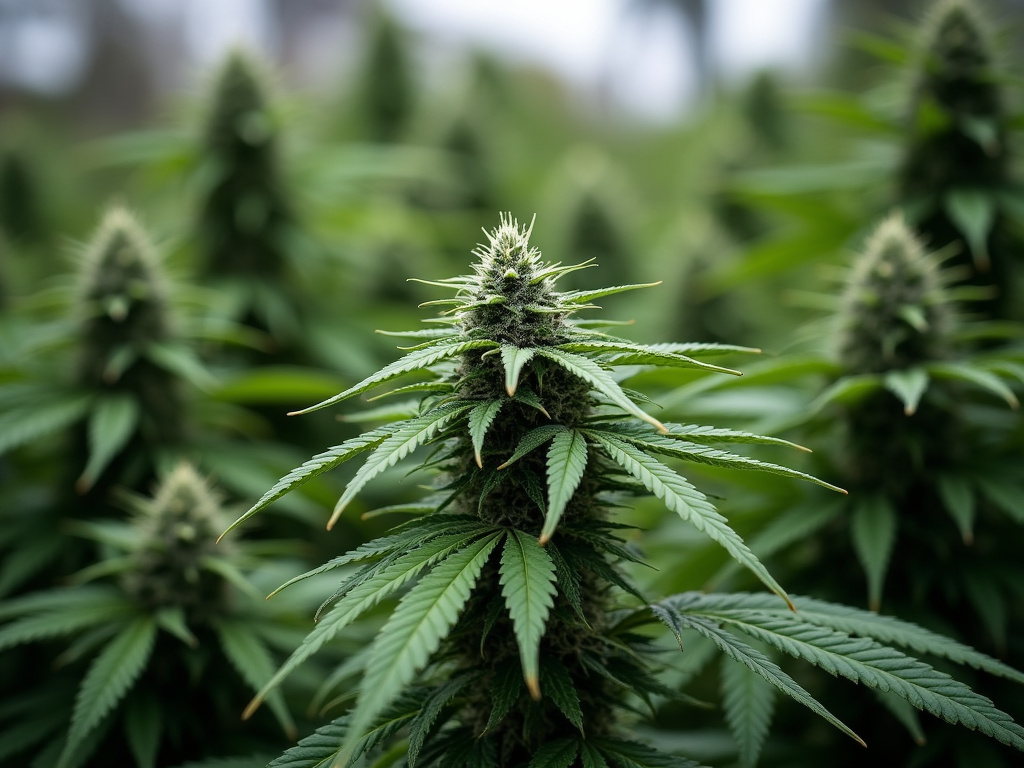
At a glanceHybrid strains combine the characteristics of both indica and sativa cannabis plants. This crossbreeding aims to enhance desirable traits from each parent, such as sativa’s energizing effects and indica’s relaxing properties. According to a 2020 study, hybrid strains have gained popularity due to their balanced effects, appealing to a wide range of users. The most common hybrids include Cherry Pie and Blue Dream, known for their unique flavors and potent yet manageable effects.
Key Takeaways
Hybrid strains offer a balanced approach, combining the medicinal benefits of both CBD and THC, without the overwhelming psychoactive effects.
As of 2022, a growing body of research suggests that the service may be particularly effective for managing anxiety, chronic pain, and sleep disorders.
The ideal ratio of CBD to THC in a hybrid strain varies greatly depending on individual needs and tolerance, making personalized recommendations important.
A 2019 study published in Cannabis and Cannabinoid Research found that the service with higher CBD content were less likely to induce anxiety in users.
The service are popular among medical users seeking relief from a range of conditions, from muscle spasms to depression, often as an alternative to pure Sativa or Indica varieties.
The development of the service involves careful crossbreeding and genetic selection, allowing cultivators to create unique profiles with specific effects and aromas.
While the service are generally considered safe, it’s important for consumers to be aware of potential side effects, such as dry mouth and eyes, and to start with low doses.
The global cannabis market, valued at over $20 billion in 2021, is experiencing a significant shift towards novel, the service. Developed through advanced cannabis breeding techniques, these hybrids promise enhanced therapeutic benefits and improved consumer experiences. However, the lack of standardized regulations and scientific understanding presents challenges. Farmers struggle to ensure consistent quality, while consumers face a complex field of differing potencies and effects. This article explores how the service are reshaping the industry, delving into the scientific research, regulatory field, and market dynamics driving this trend. We examine the role of leading cannabis breeding companies and industry associations, while providing insights into the future trends and innovations poised to define the evolving cannabis market.

Hybrid Strains in Bangor: Where to Start
Looking for hybrid strains in Bangor, ME? cannabis hybrid strains serves the local area and can answer questions specific to Bangor.
- Understanding the Basics of Hybrid Strain Creation
- Genetic Diversity and Benefits in The service
- Challenges and Considerations in Hybrid Strain Cultivation
Understanding the Basics of Hybrid Strain Creation
Creating the service involves a meticulous process where cannabis breeders combine genetics from two or more parent strains to introduce desirable traits. This method allows for the cultivation of unique plants with hybrid characteristics, appealing to both cultivators and consumers. The goal is to produce a new strain that offers improved yields, enhanced flavors, increased resistance to diseases, or specific therapeutic effects, among other advantages.
Breeders employ a variety of techniques, including classic hand-pollination and modern genetic engineering, to control the inheritance of traits. A breeder may cross a high-CBD strain with a high-THC strain to create a balanced hybrid with both compounds in best ratios. This process can take several generations, or even years, to achieve the desired outcome. According to a 2022 study published on Regulations.gov, the service have gained significant popularity in recent years, with state cannabis boards receiving a surge of applications for new hybrid varieties.
However, navigating the complexities of hybrid strain creation is not without challenges. Breeders must be aware of potential problems like inbreeding depression, where the hybrid offspring inherit deleterious recessive traits from both parents. To avoid this, careful selection and outcrossing—breeding back to external strains—are important. A prominent Cannabis Breeding Company like Canabion might employ advanced genetic testing and extensive outcrossing to ensure their the service remain solid and true to type.
The viability of the service also depends on local market dynamics and consumer preferences. While some consumers seek novel experiences, others prioritize proven, consistent effects. Therefore, cultivators must understand their target audience and tailor their hybrid creations accordingly. According to data from the National Cannabis Industry Association (NCIA), the service represent a significant portion of sales in many dispensary chain stores, indicating their market value. However, the success of a hybrid strain is not solely determined by its genetic makeup; effective branding, marketing strategies, and high-quality production practices are equally important.
| Factor | What to know |
|---|---|
| Balanced effects | Combines indica relaxation with sativa energy for wide appeal |
| CBD/THC ratio | Varies by individual needs; higher CBD linked to less anxiety (2019 study) |
| Common side effects | Dry mouth and eyes; start with low doses |
| Breeding techniques | Hand-pollination or genetic engineering; crossing high-CBD and high-THC strains |
| Inbreeding depression risk | Careful selection and outcrossing needed to avoid deleterious traits |
| Market growth | Global cannabis market valued over $20 billion in 2021 |
Genetic Diversity and Benefits in The service
The service, a product of meticulous cannabis breeding, offer an unique opportunity for growers and consumers alike, introducing genetic diversity to the market. This process, often facilitated by renowned Cannabis Breeding Companies and Scientific Research Institutions, results in plants with distinct characteristics and potential benefits. A hybrid may exhibit increased yields, enhanced resistance to pests and diseases, or improved flavor profiles, all of which are highly sought after in the competitive cannabis industry.
When considering the incorporation of the service, growers should focus on the specific goals of their operation. If maximizing yield is a priority, a hybrid known for its high-yielding properties, such as the popular "Blue Dream" x "Granddaddy Purple" cross, could be an excellent choice. On the other hand, growers aiming to cater to medical patients might opt for hybrids with specific cannabinoid profiles, such as a 1:1 CBD-to-THC ratio, offering potential therapeutic benefits. According to a study published on Regulations.gov, the service have shown promise in treating various medical conditions, including chronic pain and anxiety, making them a valuable addition to the medical cannabis market.
However, it’s important to approach the service with caution. While they offer advantages, improperly bred hybrids can lead to inconsistent results and potential problems. In Bangor, for example, growers have reported issues with hybrids exhibiting unexpected traits, such as heightened sensitivity to environmental conditions or reduced potency. To avoid these pitfalls, growers should seek advice from industry experts, including Cannabis Law Firms and Cannabis Industry Associations, which can provide insights into best practices and current regulations. Utilizing the expertise of Cannabis Education Non-profits can help ensure that growers understand the intricacies of hybrid breeding, including the importance of genetic testing and the selection of high-quality parent strains. This proactive approach will enable growers to expect consistent, high-quality the service, maximizing their benefits while minimizing risks.
Challenges and Considerations in Hybrid Strain Cultivation
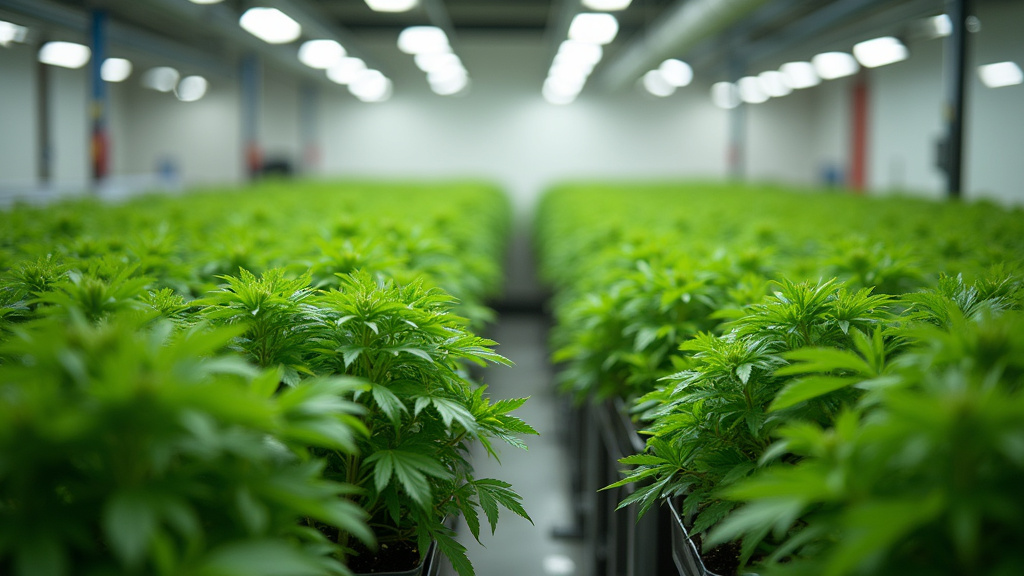
Cultivating the service presents unique challenges for growers in Bangor and beyond. While these crossbreeds offer distinct advantages in terms of yield, potency, and resistance to pests and diseases, their complex genetic makeup introduces unpredictable elements. A hybrid strain’s final characteristics may be influenced by the specific parent lines used, environmental conditions during growth, and even the time of year. This variability demands careful planning and expert knowledge from cultivators.
In Bangor, where the cannabis industry is regulated by local State Cannabis Boards and guided by national bodies like the US Department of Agriculture (USDA), understanding the life cycle of the service is important. The process, generally spanning 8–12 weeks from cloning to harvest, requires precise control over lighting, temperature, and nutrient delivery. Many local cultivators turn to established cannabis breeding companies like Canopy Growth or Green House Seeds, renowned for their consistent, high-quality genetics. However, choosing the right provider involves meticulous consideration, including the strain’s intended use, market demand, and the specific growing environment.
Selecting a reliable provider is paramount, as the success of any hybrid strain cultivation project hinges on the quality of the seed or clones. Cultivators should research providers thoroughly, examining their reputation, experience, and compliance with local regulations. The National Cannabis Industry Association (NCIA) offers resources and insights for navigating the industry, including best practices for sourcing and cultivating the service. While the upfront costs of acquiring quality genetics can be significant, many industry experts agree that investing in solid strains pays off in the long run, ensuring higher yields, reduced waste, and superior product quality.
as the cannabis industry continues to evolve, agri-tech startups and research universities are exploring innovative cultivation techniques, promising advancements in hybrid strain cultivation. Researchers at the University of Massachusetts Amherst have made strides in optimizing LED lighting for cannabis growth, offering precise control over the spectrum and intensity, which can significantly impact final yields and cannabinoid profiles. Staying informed about these developments and leveraging the expertise of industry leaders can help cultivators in Bangor stay competitive and capitalize on the benefits of the service.
Frequently Asked Questions About The service
What are the service, and how are they created?
The service, also known as crossbreeds, are the result of combining two parent strains of cannabis. The process involves carefully selected plants from different genetic lineages that possess desirable traits. Reproduction methods, such as pollination, are used to create seeds or clones that inherit a mix of these desired characteristics. This approach allows cultivators to enhance specific qualities, such as yield, flavor, or medical benefits, that may not be present in pure strains. The creation of the service has become a popular method in modern cannabis cultivation, offering a wide range of options for various consumer preferences.
Do the service have unique effects on users?
Absolutely. The effects of the service can vary significantly based on the specific combination of parent strains. Some hybrids may provide a balanced experience, offering both uplifting and relaxing effects, making them versatile for day-time or evening use. A hybrid with a Sativa parent might impart energy and focus, while an Indica-dominant strain could induce calmness and sedative properties. Many popular hybrids, like Blue Dream and Girl Scout Cookies, have been cultivated for their distinct and popular effects, which can cater to different user needs and preferences.
Are the service more potent than pure strains?
Potency is not solely determined by hybridization. While the service can exhibit increased potency, it depends on the specific genetic makeup and cultivation methods. Some pure strains may also have high THC or CBD levels. The key is not just hybridity but the particular genes involved and how they’re expressed. The service can offer more consistent effects due to their mixed heritage, but potency levels can vary widely, even among the same hybrid cultivates in different conditions.
How do the service impact cultivation and harvest?
The service present both challenges and opportunities for cultivators. The diverse genetic backgrounds can make breeding and cloning more complex. Each hybrid may have unique requirements for best growth and development. However, this diversity also allows cultivators to fine-tune their practices to enhance specific traits. Harvest times, yields, and the overall quality of the final product can be significantly influenced by the hybrid’s characteristics, making it an important factor in modern cannabis agriculture.
Can the service be used for medical purposes?
Absolutely. In fact, many medical cannabis patients prefer hybrids due to their potential to offer balanced effects. A hybrid with a mix of Sativa and Indica genetics might provide pain relief without excessive sedation, making it suitable for daytime medical use. The variety of effects available through hybrids allows patients to tailor their treatment to specific symptoms and conditions. However, it’s essential to consult with a healthcare professional to determine the best strain, whether pure or hybrid, for individual medical needs.
How do I choose the right hybrid strain for me?
The best way to choose is to understand your preferences and needs. Consider the desired effects, whether you’re seeking relaxation, energy, or pain relief. Research different hybrids and their reputations for specific effects. Some cultivators also provide information on the balance of cannabinoids, like THC and CBD, in their strains. It’s all about finding the right fit for your personal experience and what works best for your particular situation.
The service have emerged as a significant development in the cannabis industry, offering both genetic diversity and unique benefits. By combining distinct parental lines, breeders create new varieties with specific traits, enhancing potential applications in medicine, agriculture, and consumer preferences. However, cultivation challenges require careful consideration, including regulatory compliance, seed quality, and environmental controls. Moving forward, continued scientific research, collaboration between cannabis breeding companies and scientific research institutions, and adherence to evolving regulations on Regulations.gov will be important to achieveing the full potential of the service. Industry associations like the National Cannabis Industry Association (NCIA) play a vital role in fostering innovation and addressing legal hurdles, while cannabis education non-profits ensure consumers have access to accurate information. The future of the service promises exciting advancements, with agri-tech startups, cannabis research universities, and investment banks contributing to a solid and regulated market that benefits farmers, consumers, and healthcare providers alike.
Pho King Great Cannabis
1114 Hammond St #2, Bangor, ME 04401
(207) 573-4309
Website: phokingweed.com
View Pho King Great Cannabis on Google Maps
How to get to Pho King Great Cannabis from Broadway Park
Driving in from Broadway Park? Pho King Great Cannabis is a short drive away. Head out on Broadway and you’ll find us on Hammond St #2 at 1114 Hammond St #2, Bangor, ME 04401. Use the map below for turn-by-turn directions.