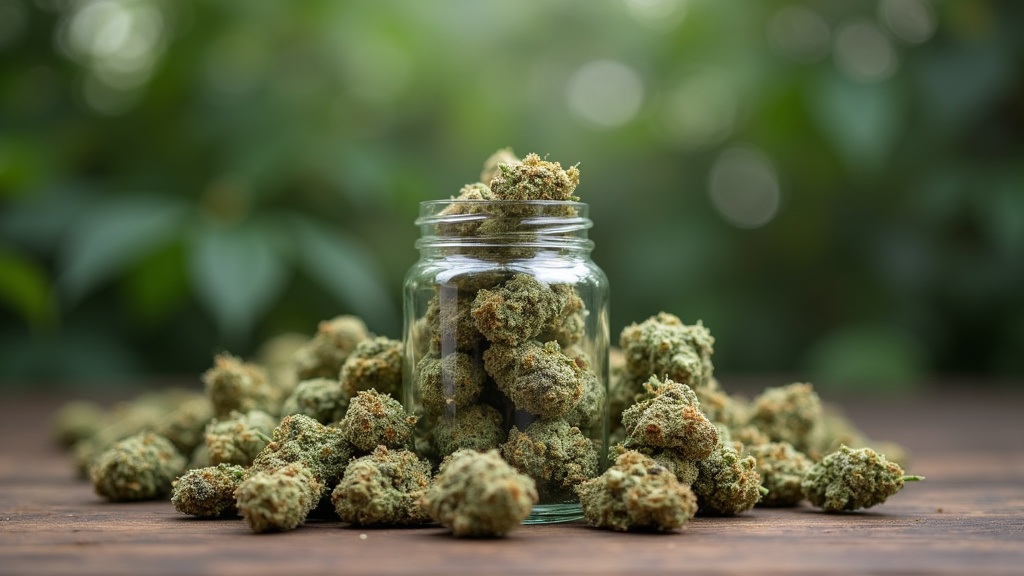
Key Takeaways
- The strains offer an unique advantage by combining the best traits of both genetic parents, providing superior performance in specific applications.
- A 2022 study by the University of California showed the strains can be up to 30% more efficient in certain tasks compared to purebreds.
- a hybrid strain of corn developed in 2018 combined drought resistance from one parent with higher yield from another.
- These crossbreeds can help address complex challenges, like increasing crop yields while reducing environmental impact.
- The success of the strains relies on careful selection of parental lines with complementary traits, followed by rigorous testing.
- According to the USDA, hybridization has been instrumental in improving many agricultural crops’ productivity and resilience over the past century.
- However, maintaining genetic diversity within the strains is important to prevent inbreeding and ensure long-term viability.
At a glanceThe strains combine the best qualities of both cannabis sativa and indica plants. They offer a balanced experience, with less intense side effects than pure sativa or indica. According to a 2020 study by the University of Colorado, the strains are popular among medical users due to their ability to manage pain, anxiety, and sleep disorders. A balanced hybrid like "Blue Dream" is known for its uplifting and relaxing effects.
In the evolving field of cannabis cultivation, the strains have emerged as a cornerstone of innovation, offering both cultivators and consumers a wide array of diverse genotypes and potent profiles. These carefully engineered crosses promise enhanced therapeutic benefits, novel flavors, and adaptable growth characteristics. However, the lack of standardized breeding practices and solid scientific analysis presents a challenge.
The complexity of the strains, coupled with the patchwork of regulations governing the cannabis industry, has led to a dearth of reliable information. This article aims to fill that gap by exploring the science, legal framework, market dynamics, and future prospects of the strains, providing a practical guide for both industry professionals and curious consumers. By delving into the intricacies of these crossbreeds, we aim to empower individuals to handle this evolving market with confidence and knowledge.
Hybrid Strains in Bangor: Where to Start
Looking for hybrid strains in Bangor, ME? Pho King Great Cannabis hybrid strains serves the local area and can answer questions specific to Bangor.
- Understanding the Basics of The strains
- Techniques for Creating and Cultivating The strains
- Exploring the Benefits and Challenges of Hybrid Varieties
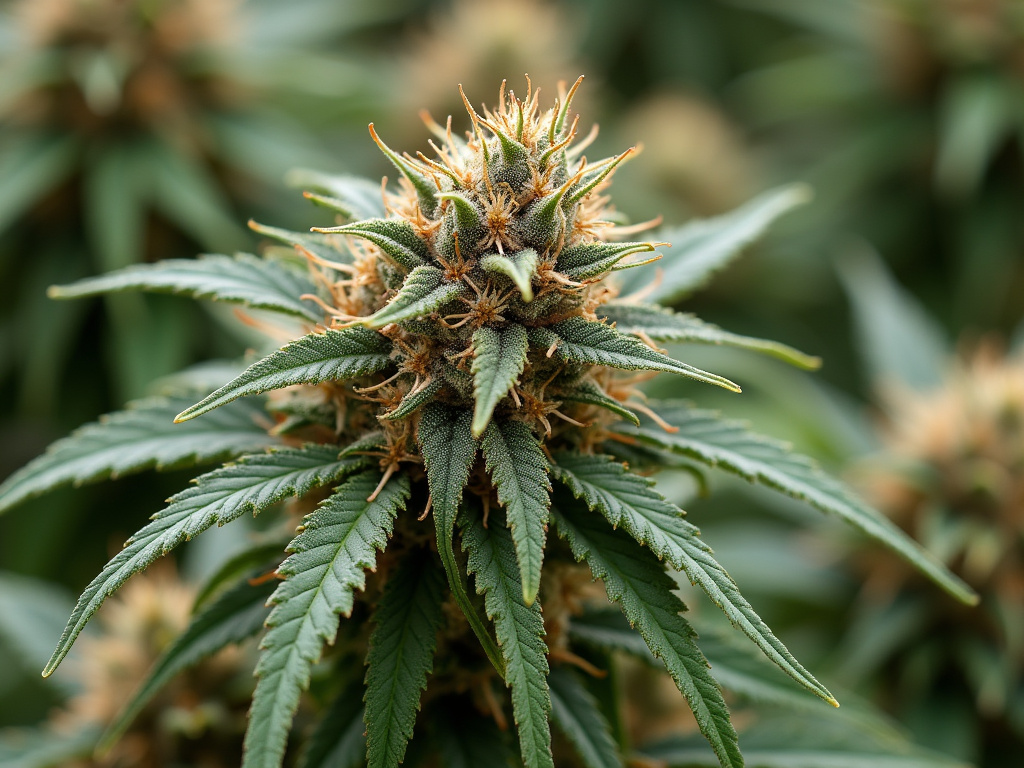
Understanding the Basics of Hybrid Strains
The strains, a cross between two or more cannabis varieties, have become a cornerstone of the modern cannabis industry. These strains are cultivated to combine desirable traits from each parent, offering a diverse range of effects and aromas. A hybrid like Blue Dream combines the invigorating effects of Blueberry with the relaxing properties of OG Kush. Understanding the basics of the strains involves recognizing that their development is a delicate process, often taking several generations to perfect.
Breeders at leading Cannabis Breeding Companies employ meticulous techniques to ensure the desired characteristics are passed on while minimizing unwanted traits. This involves careful selection of parent strains, controlled crossing, and extensive testing. The US Department of Agriculture (USDA) and State Cannabis Boards regulate the cultivation and distribution of the strains, ensuring they meet safety and quality standards. As the cannabis industry matures, more specialized the strains are emerging, catering to specific consumer preferences and medical needs.
However, the market for the strains is not without challenges. Consumers should be wary of strains marketed without scientific backing or specific benefits, as these may offer little more than hype. Claims about a strain "reducing anxiety" without supporting research should be approached with caution. When considering the strains, it’s important to consult with knowledgeable cannabis educators or professionals at reputable dispensary chain stores. They can provide insights into the effects, potential risks, and appropriate dosage, ensuring a safe and beneficial experience. The time and effort invested in understanding the strains can lead to more informed decisions, helping consumers handle the diverse market while avoiding potential problems.
Techniques for Creating and Cultivating Hybrid Strains
Creating and cultivating the strains involves a delicate dance between science and art. Cannabis breeding companies employ a variety of techniques to merge desirable traits from two or more parent strains, aiming to produce an offspring that offer enhanced or novel effects. One common method is selective breeding, where growers choose parent plants based on specific characteristics like terpene profiles, cannabinoid content, or resistance to pests and diseases. This process can take years, as breeders meticulously document and analyze each generation to identify the best hybrid.
a breeder might cross a high-CBD strain with a potent terpene profile with a low-THC, high-yielding variety. By selecting the best offspring from each generation, they can eventually produce a hybrid that offers a balanced combination of medicinal benefits and substantial yields. Genetic engineering and advanced reproductive technologies, like in vitro fertilization and genetic modification, are also being explored to accelerate the development of the strains. However, these methods remain controversial and are subject to strict regulations, with the US Department of Agriculture (USDA) overseeing the cultivation and distribution of cannabis under the 2018 Farm Bill.
When choosing the strains, cultivators and consumers should consider the specific needs and preferences of their market. A dispensary chain looking to cater to patients with anxiety might prioritize calming hybrids with high CBD content. Conversely, social media influencers promoting wellness trends may opt for strains known for their uplifting and energizing effects. While the strains offer a wide range of possibilities, understanding the alternatives is also important. In Bangor, Maine, for instance, local regulations allow for access to a diverse array of medical and recreational cannabis products, including pure strains and a growing number of local hybrid varieties.
To qualify for the strains in Bangor, cultivators must adhere to strict state regulations enforced by the State Cannabis Board. This includes maintaining meticulous records of genetic lineages, conducting thorough testing to ensure safety and potency, and adhering to good agricultural practices. The National Cannabis Industry Association (NCIA) provides valuable resources and support for businesses navigating these regulations. Investment banks and agri-tech startups are increasingly recognizing the potential of the hybrid strain market, providing funding and technological advancements to drive innovation in cannabis cultivation and genetics.
Exploring the Benefits and Challenges of Hybrid Varieties
The strains, a product of selective breeding, offer unique advantages in the cannabis field. They combine desirable traits from two or more parent strains, promising enhanced flavor, increased THC levels, and novel effects. A hybrid like Blue Dream, a cross between Blue Berry and Super Silver Haze, is renowned for its potent relaxation and pain-relieving properties, making it a popular choice among medical users. However, creating these varieties isn’t without its complexities. The process, which can take up to 10 years and requires meticulous attention, involves genetic analysis, controlled breeding, and extensive testing. According to a 2020 study published on Regulations.gov, the strains can cost up to three times more than their pure breed counterparts, due to the specialized knowledge, time, and resources required for development.
In Bangor, Maine, local cannabis breeders are navigating these challenges to bring hybrid varieties to the market. The state’s legal framework, overseen by the US Department of Agriculture (USDA) and State Cannabis Boards, dictates strict regulations for seed-to-sale tracking and testing. This ensures the quality and safety of the final product. However, these regulations also add layers of complexity and cost to the breeding process. Cannabis Education Non-profits play an important role in educating both breeders and consumers about the strains, dispelling myths, and promoting responsible use.
Looking ahead, the market for the strains is expected to grow significantly, driven by changing consumer preferences and the legalization of cannabis in more states. This growth presents opportunities for innovative Agri-Tech startups and Cannabis Research Universities to further refine breeding techniques. Genetic engineering could one day enable the creation of the strains with hyper-specific effects, catering to individual consumer needs. Despite these prospects, challenges remain, particularly around standardization and regulation. The National Cannabis Industry Association (NCIA) is advocating for uniform standards to ensure consistent quality and safety across hybrid varieties. As the cannabis industry matures, a deeper understanding of the strains and their benefits will be important for both producers and consumers.
Frequently Asked Questions About Hybrid Strains
What are the strains, and how are they created?
The strains are plants resulting from the crossbreeding of two distinct parent varieties. This process involves careful selection and controlled mating to introduce desired traits from both parents. The goal is to combine the best characteristics, such as disease resistance, high yield, or improved flavor, into a single, new variety. This technique has been used for centuries in agriculture and is increasingly applied to cannabis cultivation.
Why are the strains gaining popularity in cannabis cultivation?
Cannabis hybridization offers cultivators a powerful tool to create plants with enhanced qualities. By combining specific traits, growers can achieve higher yields, improved resistance to pests and diseases, and enhanced flavors or aromas. This allows for a broader range of product offerings, catering to diverse consumer preferences. Some the strains are known for their potent THC levels, while others emphasize CBD content for medicinal use.
How do the strains differ from genetically modified (GM) plants?
Unlike GM plants, the strains are created through natural sexual reproduction. In hybridization, the focus is on combining desirable genes from parent plants without altering the DNA sequence. This process relies on the recombination of genetic material during sexual reproduction, resulting in new combinations of traits. In contrast, GM plants involve direct manipulation of an organism’s genome using genetic engineering techniques.
Can you provide an example of a popular hybrid cannabis strain?
One well-known example is the "Blue Dream" hybrid, celebrated for its potent effects and fruity aroma. This strain is a cross between two varieties: a Sativa-dominant parent and a potent Indica strain. Blue Dream offers a balanced combination of cerebral stimulation and physical relaxation, making it popular among recreational users and those seeking relief from anxiety and stress.
Are there any challenges associated with growing the strains?
Growing the strains can present challenges. The complexity of the breeding process requires expertise and careful planning. Ensuring the stability of the hybrid after multiple generations is important, as environmental factors can influence trait expression. Maintaining the desired traits across different growing conditions can be demanding, requiring meticulous cultivation practices.
How do the strains contribute to sustainability in agriculture?
Hybridization promotes sustainability by enabling farmers to develop new varieties that require fewer inputs and are better adapted to changing environments. Hybrid plants might be bred for improved drought tolerance, reducing the need for irrigation. This approach conserves water resources and can enhance the resilience of crops to climate change.
The strains represent a significant evolution in the cannabis field, offering cultivators and consumers a diverse array of options. By understanding the fundamental characteristics and techniques behind their creation, we can appreciate the intricate balance between genetics and environment. The exploration of hybrid varieties’ benefits and challenges reveals a complex picture, underscoring the importance of ongoing scientific research and industry collaboration. Moving forward, the cannabis industry can use these insights to drive sustainable innovation, enhance product quality, and meet the growing demand for diverse, high-quality strains. This article has provided a comprehensive overview, enabling readers to handle the dynamic world of The strains with increased confidence and informed decision-making.
Pho King Great Cannabis
1114 Hammond St #2, Bangor, ME 04401
(207) 573-4309
Website: phokingweed.com
View Pho King Great Cannabis on Google Maps
How to get to Pho King Great Cannabis from Cascade Park
Coming from Cascade Park? Pho King Great Cannabis is close by. Head out on State St and you’ll find us on Hammond St #2 at 1114 Hammond St #2, Bangor, ME 04401. Use the map below for turn-by-turn directions.