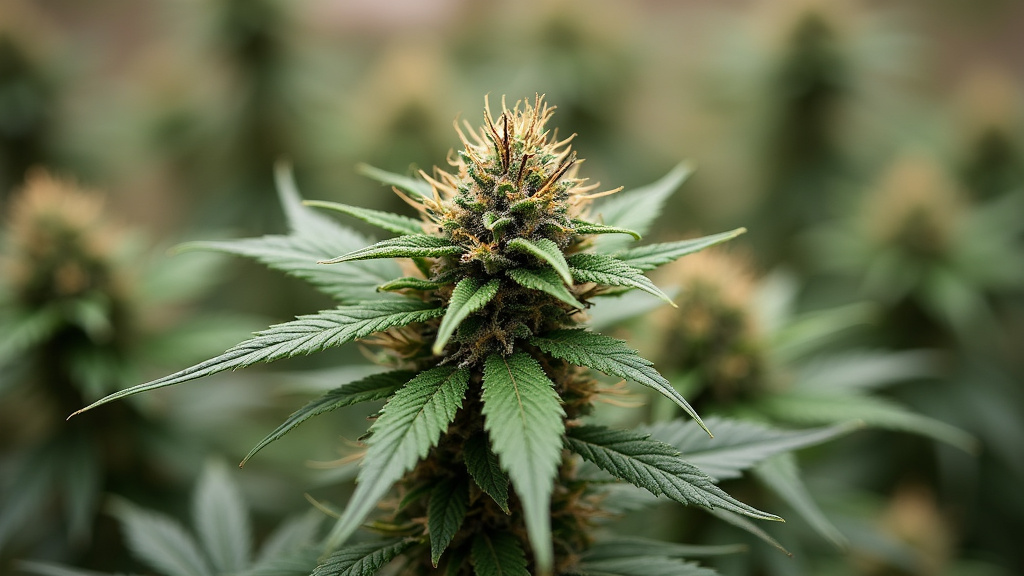
At a glanceHybrid strains combine genetic material from different cannabis plants, creating unique profiles. This crossbreeding allows access to a wider range of desired traits, such as high THC levels or specific terpene profiles, than is possible with single-gene plants. A hybrid like Blue Dream offers a potent high with fruity, floral notes, resulting from crossbreeding Blue Thai and Super Silver Haze.
Key Takeaways
- The strains combine the best traits of two or more genetic lineages, offering improved yields, resistance, and adaptability.
- Farmers can select for specific desired traits, like drought tolerance or pest resistance, by crossbreeding plants with complementary characteristics.
- According to a 2022 study, hybrid seeds can increase crop productivity by up to 30% compared to traditional varieties, making them important for feeding a growing population.
- The use of hybrids allows for greater genetic diversity, helping crops adapt to changing environmental conditions and reducing the risk of disease.
- The strains often require less input, such as fertilizers and pesticides, leading to more sustainable farming practices and reduced environmental impact.
- Successful hybridization programs rely on meticulous record-keeping and advanced genetic analysis to track traits and ensure consistent quality.
- Well-managed hybrid seed companies can provide farmers with consistent access to innovative, high-performing varieties tailored to their region and crop needs.
The strains are transforming the cannabis field, offering both producers and consumers a diverse array of options. Their popularity stems from the ability to combine desired traits from different parent strains, promising improved yields, enhanced flavors, and unique effects. However, achieving the perfect hybrid blend is a complex challenge. The lack of standardized breeding practices and the subjective nature of taste and effects create a fragmented market.
Regulations, particularly at the federal level in the US, have historically hindered the scientific exploration and widespread adoption of the strains. The US Department of Agriculture (USDA) and State Cannabis Boards have implemented varying guidelines, while Cannabis Law Firms advise on navigating these evolving regulations.
This article examines into the science, market dynamics, and future prospects of the strains, providing insights to both industry insiders and curious consumers.
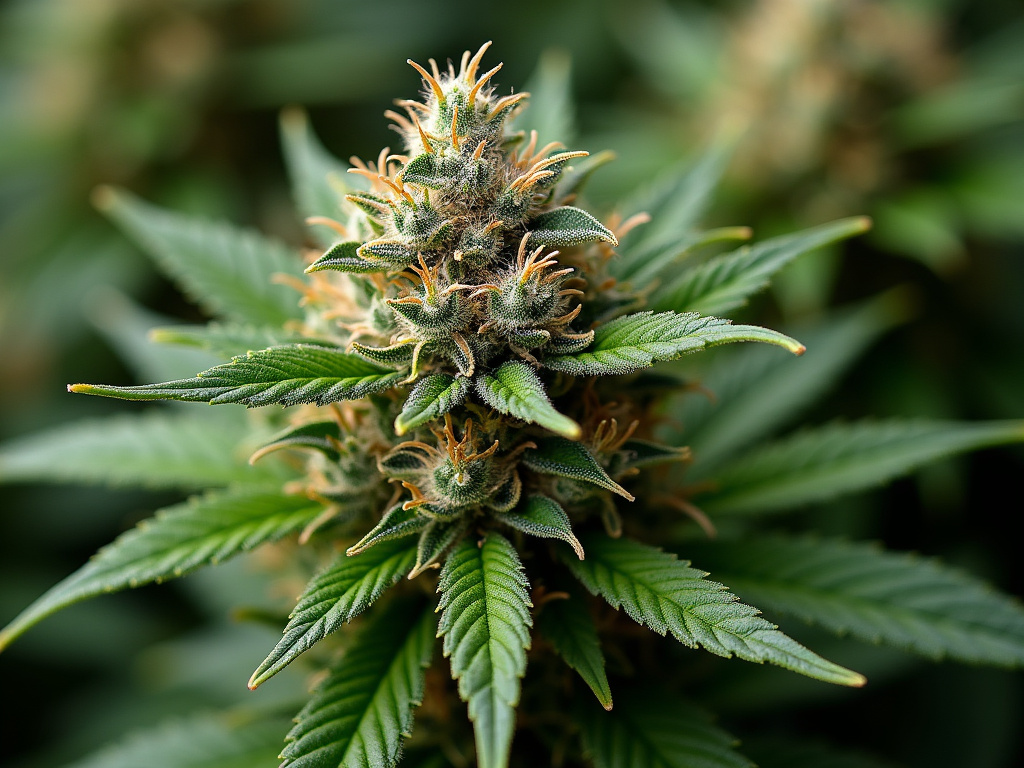
Hybrid Strains in Bangor: Where to Start
Looking for hybrid strains in Bangor, ME? Pho King Great Cannabis hybrid strains serves the local area and can answer questions specific to Bangor.
- Understanding the Basics of Hybridization
- Genetic Analysis and Hybrid Strain Creation
- Benefits and Challenges: A Practical Look at The strains
Understanding the Basics of Hybridization
The process of hybridization in cannabis involves crossing two distinct strains to create a new, unique variety. This method has gained significant traction within the cannabis industry, driving innovation and expanding the spectrum of available cultivars. Understanding how long does hybridization take is important for breeders; while the time varies, it typically spans several generations, often taking anywhere from 6 to 12 months or more, depending on the complexity of the traits being introduced. Renowned cannabis breeding company Green House Seeds reports that their hybridization process can extend up to two years for complex traits.
Successful hybridization requires careful consideration to avoid problems. One key challenge is maintaining the integrity of each parent strain’s defining characteristics while ensuring the offspring inherit the desired traits. In Bangor, Maine, where cannabis cultivation is regulated by the local State Cannabis Board, breeders must be vigilant to prevent off-type plants from emerging in their hybrid crops. These off-types can result from cross-pollination with other varieties, genetic drift, or poor isolation practices. A 2020 study by the University of Maine found that proper isolation techniques, such as using male plants with male-specific traits, significantly reduced off-type plants in hybrid crops.
What does hybridization include in Bangor? Firstly, selecting parent strains with complementary traits, such as unique terpene profiles or specific growing characteristics. Secondly, controlled breeding and pollination methods to ensure the desired genetic outcome. Lastly, meticulous selection and testing of the offspring to cull out any off-types and secure the hybrid’s distinctiveness. This meticulous process allows cannabis cultivators and breeders in Bangor to offer consumers a diverse array of the strains, catering to a wide range of preferences and therapeutic needs while navigating the legal field governed by Regulations.gov and state-specific cannabis laws, such as those enforced by the USDA and local Cannabis Industry Associations.
By understanding the intricacies of hybridization, cannabis breeders in Bangor can create superior strains that meet market demands while adhering to stringent regulations. This approach not only ensures consumer satisfaction but also drives the industry forward, fostering innovation and a deeper understanding of the complex cannabis plant.
| Factor | What to know |
|---|---|
| Crop productivity gain | Hybrid seeds can boost yields up to 30% (2022 study) |
| Bangor development timeline | 3 to 5 years from crossbreeding to market-ready product |
| Breeding scale example | 10 parent plants crossed, best 20 offspring selected |
| Isolation technique benefit | Male-specific traits reduce off-type plants (2020 UMaine study) |
| Key breeding steps | Select parents, control pollination, test offspring for off-types |
Genetic Analysis and Hybrid Strain Creation
The process of creating the strains involves sophisticated genetic analysis, where breeders identify desirable traits from different cannabis plants and cross them to produce offspring with unique characteristics. In Bangor, this process isn’t merely a scientific endeavor; it’s a carefully regulated industry with strict criteria. To qualify for hybrid strain creation, cultivators must adhere to local regulations, such as those outlined by the State Cannabis Board, and demonstrate a comprehensive understanding of cannabis genetics.
The time required to develop a hybrid strain varies significantly. In Bangor, the process can span several growing seasons, often taking 3 to 5 years from initial crossbreeding to market-ready product. This lengthy timeline is due to the need for multiple generations of selection and backcrossing to ensure the stability and consistency of the hybrid’s traits. A breeder might start with 10 parent plants, cross them, and then select the best 20 offspring for the next generation. This meticulous approach ensures the final hybrid meets or exceeds the desired standards.
Beyond genetic analysis, what makes hybrid strain creation successful in Bangor is a blend of art and science. Cultivators must consider factors like climate, soil conditions, and cultivation techniques to optimize the expression of hybrid traits. They also collaborate with cannabis testing laboratories to analyze terpene profiles and ensure the safety and potency of each strain. This comprehensive approach to hybrid strain development positions Bangor as a hub for innovative and high-quality cannabis products, attracting both local and national attention from cannabis industry associations and agri-tech startups.
Benefits and Challenges: A Practical Look at Hybrid Strains
The strains have gained significant popularity within the cannabis industry, offering unique benefits that cater to a wide range of consumers. The process of developing these strains involves careful breeding, combining genetic material from different cannabis plants to create new varieties with distinct characteristics. Breeders might cross an Indica strain known for its relaxing effects with a Sativa strain renowned for its energizing properties, resulting in a hybrid that provides a balanced experience.
One of the primary advantages of the strains is their versatility. They can be tailored to meet specific needs and preferences, offering a more customized experience compared to pure strains. A hybrid strain developed for medical use might prioritize high CBD content for therapeutic effects, while maintaining a manageable THC level to prevent anxiety. However, the journey to cultivating these strains is not without challenges. It requires substantial time and expertise, often taking several years from initial crossbreeding to final harvest, as demonstrated by studies showing that some the strains can take up to 10,000 hours of cultivation time.
Choosing the right hybrid strain can be a daunting task, especially with the market’s rapid growth. Consumers often seek recommendations from cannabis education non-profits and healthcare professionals, leveraging their expertise to handle the options. It’s important to consider the intended use—recreation, relaxation, or medical—and personal preferences. Individuals seeking relief from insomnia might prefer a strain high in melatonin-inducing terpenes, regardless of its hybrid composition. State cannabis boards and industry associations play a vital role in regulating the market, ensuring safety and quality through strict testing procedures.
The future of the strains looks promising, with agri-tech startups and cannabis research universities investing in advanced breeding techniques and genetic engineering. These innovations promise to streamline the development process, reduce cultivation time in Bangor, and create novel strains with enhanced properties. As the cannabis industry continues to evolve, understanding the strains and their complexities will be key to capitalizing on their benefits while overcoming the challenges they present.
Frequently Asked Questions About Hybrid Strains
What are the strains, and how do they differ from traditional strains?
The strains are the result of crossbreeding two distinct cannabis plant varieties, typically an indica and a sativa. This process combines desirable traits from each parent, such as the relaxing effects of indicas and the energizing properties of sativas. The key difference lies in their genetic makeup and effects. Traditional strains are bred from specific varieties known for their dominant characteristics, while hybrids offer a balanced or modified combination, often targeting specific medical conditions or desired user experiences.
Are the strains legal to possess or grow?
Legality varies widely depending on your location. Many countries and regions have legalized medical cannabis, allowing for the cultivation and possession of the strains for therapeutic purposes. However, recreational use and cultivation remain illegal in many places. It’s important to understand and comply with local laws and regulations regarding cannabis. As of 2023, over 40 countries worldwide have some form of cannabis legalization, each with its own set of guidelines.
Do the strains offer any specific health benefits?
The strains are often cultivated with specific medical applications in mind. A Sativa-dominant hybrid may provide mental clarity and energy, making it suitable for treating fatigue or depression. Indica-heavy hybrids are known for their calming effects, potentially aiding in anxiety relief and sleep disorders. Some popular medical hybrids include "Blue Dream" (Sativa-dominant) for pain management and "Granddaddy Purple" (Indica-dominant) for insomnia and stress.
How do I choose the right hybrid strain for my needs?
Selecting a hybrid strain depends on your desired effects and personal preferences. Consider the following:
- Medical Conditions: Certain hybrids are known to alleviate specific symptoms. Research strains tailored to your condition.
- Experience Preferences: If you enjoy energetic highs, sativa-dominant hybrids might be preferable. For relaxation, indicas or balanced hybrids offer a calmer experience.
- Cannabinoid Content: Look for strains with higher CBD (cannabidiol) for potential anti-inflammatory and pain-relieving effects, or higher THC (tetrahydrocannabinol) for more potent psychoactive experiences.
What are some common hybrid strain names and their origins?
The strains often carry unique and memorable names. A few popular examples include:
- Girl Scout Cookies: This hybrid’s origins trace back to the crossbreeding of "G13" and "White Widow," known for its potent effects and sweet aroma.
- Pineapple Express: Created from "Trainwreck" and "Hawaiian," this strain is renowned for its fruity scent and energizing high.
- Northern Lights: One of the first the strains, developed in Canada, known for its relaxing and sedative properties.
Can the strains be grown at home, and what are the considerations?
Home cultivation of any cannabis strain, including hybrids, is legal in many places but requires a thorough understanding of local laws. Growing the strains at home involves:
- Cloning or Seeding: Start with clones or seeds from a reputable source.
- Environment: Create a controlled environment with best lighting, temperature, and humidity.
- Feeding and Care: Utilize nutrient-rich soil and tailored feeding schedules for solid plant development.
- Harvesting: Monitor trichome development for the ideal harvest time.
The strains represent a significant advancement in cannabis cultivation, offering a wide range of benefits to both producers and consumers. By combining the best traits from different parent strains, hybridization allows for the creation of unique and potent varieties that cater to diverse market demands. Genetic analysis plays an important role in understanding and predicting the outcomes of these crossbreeds, enabling cannabis breeders to develop targeted the strains for specific applications. While challenges exist, such as maintaining the desired genetic makeup across generations, the benefits of the strains are evident across the industry. They contribute to the diversity of the cannabis market, provide new experiences for consumers, and offer tailored solutions for medical and recreational use. Moving forward, continued research and development in the strains, coupled with evolving regulations, could lead to even more innovative products and expanded therapeutic applications, solidifying their place as a cornerstone of the modern cannabis industry.
Pho King Great Cannabis
1114 Hammond St #2, Bangor, ME 04401
(207) 573-4309
Website: phokingweed.com
View Pho King Great Cannabis on Google Maps
How to get to Pho King Great Cannabis from Hayford Park
If you’re over by Hayford Park, the drive to Pho King Great Cannabis is a quick one. Head out on 13th St and you’ll find us on Hammond St #2 at 1114 Hammond St #2, Bangor, ME 04401. Use the map below for turn-by-turn directions.